Heartbeat Single Line: A Designer’s Review
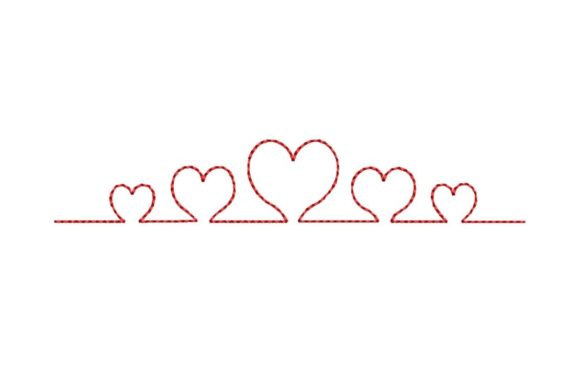
As an embroidery designer who has spent countless hours tweaking stitch paths and testing fabrics, I know that not every design is created equal. Some are technically impressive but visually cluttered, while others possess a quiet power that draws the eye immediately. Heartbeat Single Line falls firmly into the latter category. When I first loaded this file into my digitizing software, I was struck by its elegant simplicity. It is a meaningful and simple embroidery design that bridges the gap between modern minimalism and emotional resonance, making it a prime candidate for craft fair product lines.
First Impressions and Visual Appeal
The immediate vibe of Heartbeat Single Line is soft yet impactful. It does not scream for attention with loud colors or complex shading; instead, it whispers. This makes it incredibly versatile. In the context of a busy craft fair booth, where customers are bombarded with visual noise, a clean, single-line design can act as a visual palate cleanser. It feels modern, premium, and deeply personal.
From a Wellness perspective, the heartbeat motif is universally recognized as a symbol of life, health, and vitality. This thematic alignment allows sellers to market the finished product not just as a decorative item, but as a token of care. Whether stitched onto a cozy sweatshirt for a new parent or a sturdy tote bag for a yoga enthusiast, the design carries an inherent emotional weight that boosts perceived value.
Product Versatility for the Craft Fair Booth
When preparing for a weekend market, I always look for designs that can be applied across multiple product categories without losing their integrity. Heartbeat Single Line excels here. Because it is described as stitching out perfectly on t-shirts, sweatshirts, jackets, and home decor items, it offers a wide canvas for creativity.
- Tote Bag Design: Placing the heartbeat line horizontally across the center of a canvas tote creates a striking, minimalist statement. It appeals to the eco-conscious shopper who values subtle branding over loud graphics.
- Apron Embroidery: For kitchen-focused buyers, stitching this design on the bib of a linen apron adds a touch of warmth. It suggests that the home is the heart of the family.
- Tea Towel Embroidery: A small iteration near the hem of a flour sack towel transforms a basic utility item into a giftable handmade product. The single line works well here because it doesn’t overwhelm the lightweight fabric.
- Embroidered Patch: This design is ideal for patches. The continuous line nature means fewer jump stitches, resulting in a cleaner backside and a more durable patch that can be ironed or sewn onto denim jackets.
Production Practicality for Small Shop Owners
For the Etsy seller or boutique maker, time is money. A design that requires excessive trimming, frequent thread changes, or complex stabilization is a bottleneck. Heartbeat Single Line appears to be optimized for efficiency. The "single line" aspect suggests a continuous run, which minimizes machine stops and starts. This makes it highly repeatable for batch production, a crucial factor when fulfilling orders for a small shop product line.
However, practical judgment is required. While the design is simple, one must consider stitch density. If the digitizer has packed too many stitches into a small area to make the line appear thicker, it could cause puckering on lighter fabrics like cotton tees. Conversely, if the line is too thin, it may get lost on textured materials. I recommend checking the embroidery file details carefully. Since the product description does not specify exact stitch counts or hoop sizes, you must verify these parameters before committing to a large production run.
Navigating Fabric and Stabilizer Challenges
Every experienced embroiderer knows that fabric texture dictates success. On smooth quilting cotton or poly-blend t-shirts, Heartbeat Single Line will likely look crisp and defined. However, challenges arise with other materials:
- Textured Towels: On terry cloth, a single thin line might sink into the loops. Using a water-soluble topping is essential to keep the stitches on the surface.
- Dark Fabric: If stitching white thread on black fabric, ensure the contrast is high. A single line relies entirely on visibility; if it blends in, the design fails.
- Curved Surfaces: For caps, the curvature can distort linear designs. Test the placement carefully to ensure the heartbeat wave doesn't look warped when worn.
Always use the right stabilizer. For stretchy fabrics like sweatshirts, a cut-away stabilizer provides necessary support, while a tear-away might suffice for stable woven home decor items.
Marketing and Digital Presence
Beyond the physical booth, this design shines in digital listings. Its clean lines make it easy to photograph. You do not need elaborate staging; a flat lay on a neutral background allows the thread colors and stitch quality to speak for themselves. Creating a printable mockup for your online store is straightforward because the design scales well without losing clarity.
For those selling the digital embroidery file itself, highlight the versatility in your design assets description. Emphasize that it is suitable for both personal projects and commercial embroidery ventures, provided the license permits it. Always confirm commercial licensing terms before selling finished products derived from this file.
Final Designer Notes
Before you load this design onto your machine for a full production batch, take these steps:
- Test on Scrap Fabric: Never skip this step. Check for thread breaks or nesting.
- Check Thread Contrast: Ensure the thread color stands out against the fabric base.
- Review Spacing: Confirm the design fits within your intended hoop size without needing to re-digitize.
- Inspect Stitch Density: Look for any areas that seem overly dense, which could cause fabric distortion.
- Create a Real Mockup: Stitch one sample item to serve as a booth display piece. Seeing the finished product in person helps customers visualize the quality.
Heartbeat Single Line is more than just a pattern; it is a strategic tool for the modern maker. It balances aesthetic appeal with production efficiency, making it a strong contender for any craft fair product lineup. By understanding its strengths and respecting its limitations regarding fabric and scale, you can create items that not only sell but also resonate with buyers on a deeper, human level.