Reviewing C Font Antique for Boutique Apparel
As an embroidery designer who spends most days hooped up and threading needles, I am always on the lookout for digital assets that bridge the gap between classic elegance and modern wearability. When I recently browsed through Creative Fabrica embroidery collections, C Font Antique caught my eye. It is not just another alphabet; it is a statement piece for anyone looking to elevate their custom apparel line. For boutique owners and Etsy sellers, finding the right font can define a brand’s identity, and this particular design offers a unique blend of vintage charm and structural integrity.
First Impressions and Visual Personality
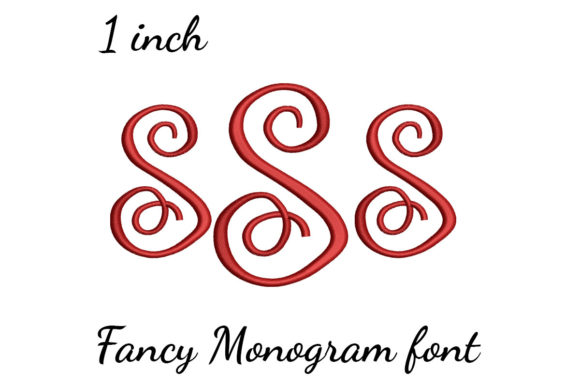
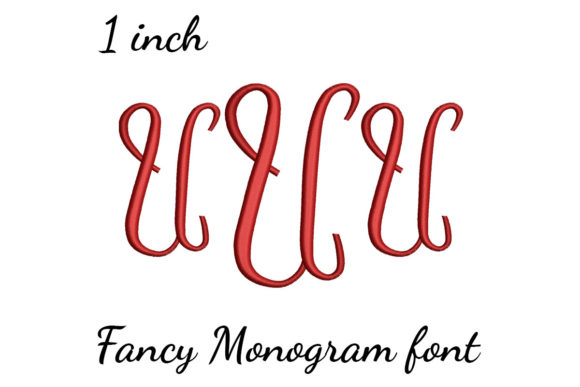
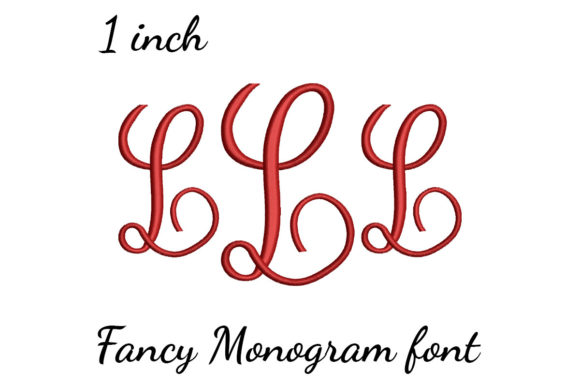
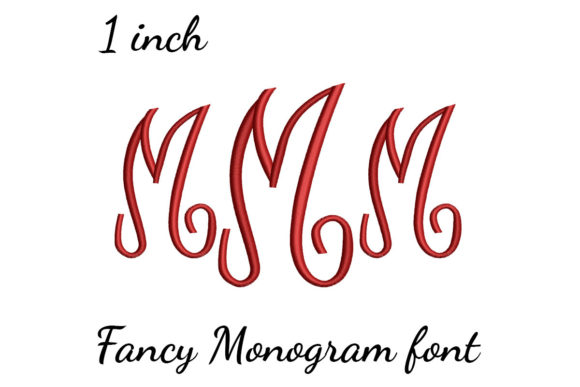
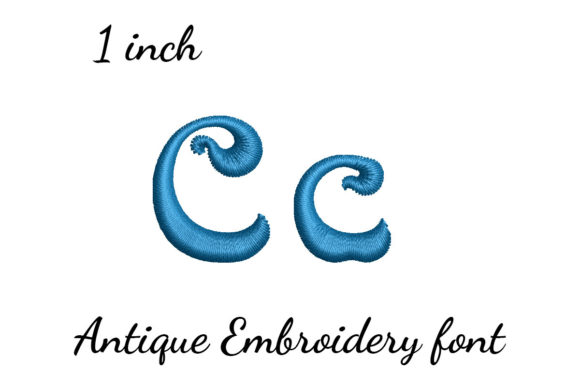
The first thing you notice about C Font Antique is its distinct visual personality. It does not scream for attention with bold, blocky letters, nor does it fade into the background with overly delicate scripts. Instead, it sits comfortably in a space that feels both premium and rustic. The letterforms have a decorative strength that suggests history, making it an excellent choice for brands that want to convey trust and timeless quality.
In terms of stitching mood, the design feels curated. It is not overly complex, which is a blessing for production efficiency, but it retains enough detail to look expensive on a finished garment. Whether you are aiming for a feminine aesthetic for a bridal collection or a classic look for everyday wear, this font adapts well. It avoids being too cute or playful, leaning instead toward a sophisticated, trendy minimalism that appeals to a wide demographic.
Applying the Design to Sweatshirts and Hoodies
My primary test ground for any new machine embroidery design is the humble sweatshirt. Neutral tones like oatmeal, charcoal, and sage green provide the perfect canvas for C Font Antique. When placed on the left chest of a heavyweight hoodie, the font’s antique style adds a layer of refinement that plain text lacks. It transforms a basic garment into a piece of boutique merchandise.
For oversized garments, which are currently dominating streetwear trends, this font scales beautifully. A larger placement on the back of an oversized hoodie allows the intricate details of the antique lettering to shine without becoming pixelated or losing definition. However, when working with fleece or thick cotton blends, one must be mindful of stitch density. While the product description notes it comes with multiple file formats, I always recommend checking the specific density settings in your software to ensure the fabric does not pucker.
Pastel hoodies also benefit from this design. The soft curves of the antique style complement gentle colors like blush pink or baby blue, creating a cohesive look that performs well in lifestyle product photos. For dark apparel, such as navy or black sweatshirts, using high-contrast thread colors like cream, gold, or silver can make the embroidery pop, enhancing the perceived value of the item.
Versatility Beyond Apparel
While my focus is often on clothing, C Font Antique proves its worth across various products. Tote bags are a staple for many small shop products, and embroidering this font on canvas creates a durable, high-end accessory. The sturdy nature of canvas supports the stitch structure well, ensuring the design remains crisp after repeated use.
Denim jackets offer another exciting opportunity. The rugged texture of denim contrasts nicely with the refined lines of the antique font. A small sleeve accent or a collar detail can serve as a subtle signature for a boutique brand. Even for wedding-related items, given its classification under Wedding Monogram, this font works beautifully on robe hangers or personalized tote bags for bridal parties, adding a touch of elegance without feeling overly formal.
Technical Considerations for Professional Results
To achieve a professional presentation, technical precision is non-negotiable. Before running a full batch of commercial embroidery orders, I always advise testing on scrap fabric that matches your production material. This is crucial for understanding how the embroidery file interacts with different textures. For stretchy fabrics or ribbed cuffs, using the correct stabilizer is essential to prevent distortion. A cut-away stabilizer often provides the necessary support for knit fabrics, ensuring the lettering stays true to its shape.
Placement is another critical factor. On curved surfaces like the shoulder or sleeve, the design may require adjustment to avoid wrapping awkwardly. Tiny lettering should be approached with caution; if the font is scaled down too much, the finer details of the antique style may merge, losing clarity. Always confirm the minimum legible size by stitching a test sample.
Thread color contrast plays a significant role in visibility. On light fabrics, darker threads highlight the design’s structure, while on dark garments, lighter threads create a striking effect. Experimenting with variegated threads can also add depth, giving the antique letters a hand-dyed, vintage appearance that enhances customer engagement.
Building Brand Identity and Trust
Consistency in visual elements builds buyer trust. Using a distinctive font like C Font Antique across your product line helps establish brand recognition. When customers see this specific style repeatedly, they begin to associate it with your brand’s quality and aesthetic. This visual consistency is vital for social media graphics and printable mockups, where a cohesive look can significantly boost click-through rates and sales.
For Etsy sellers and creative entrepreneurs, the perceived value of a product often hinges on these small details. A well-executed embroidery design signals care and craftsmanship, encouraging customers to view the item as a premium handmade product rather than a mass-produced commodity. This perception can justify higher price points and foster loyalty among repeat buyers.
Final Designer Notes
Before integrating C Font Antique into your production workflow, take a moment to review the product details on Creative Fabrica. Confirm the included hoop sizes and machine compatibility to ensure seamless integration with your equipment. Check the licensing terms carefully, especially if you plan to sell finished apparel commercially. While the description mentions multiple file formats, verifying that your specific machine reads them correctly is a prudent step.
Ultimately, this design is a versatile tool for any embroidery designer’s toolkit. It balances aesthetic appeal with practical usability, making it suitable for a wide range of projects from cozy seasonal outfits to elegant bridal accessories. By paying attention to fabric choice, stabilizer selection, and placement, you can leverage C Font Antique to create stunning, high-value pieces that resonate with your audience.