Tabby Cat: A Designer’s Review for Craft Fair Success
As an embroidery designer who has spent countless weekends standing behind booth tables, I know that not every design translates from the screen to the sales floor. When I first loaded the Tabby Cat machine embroidery design into my software, I was looking for more than just cute aesthetics. I was looking for a workhorse—a design that could carry a product line, catch the eye of a passing shopper, and withstand the scrutiny of a handmade product buyer. After stitching several samples and testing them across various fabrics, I am ready to share my professional assessment of how this realistic feline motif performs in a real-world retail environment.
First Impressions: Realism Meets Playful Charm
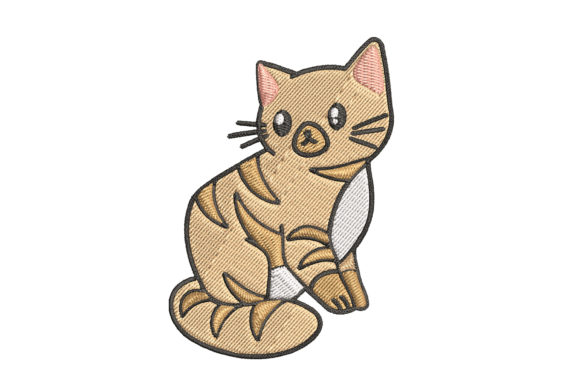
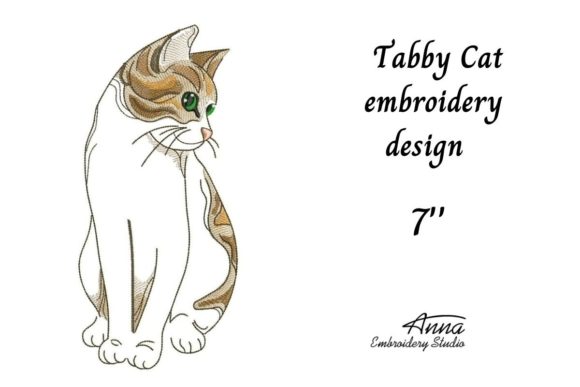
The immediate impression of Tabby Cat is one of approachable realism. Unlike cartoonish or overly simplified icons, this design captures the texture and personality of a tabby cat without becoming so complex that it loses clarity at a distance. For craft fair sellers, this balance is critical. Shoppers walking past your booth have only seconds to decide whether to stop. A design that is too abstract might be missed, while one that is too dense can look messy from ten feet away. Tabby Cat sits comfortably in the sweet spot: it is bold enough to be seen, yet detailed enough to invite closer inspection.
This aesthetic fits seamlessly into several popular market niches. It feels right at home in farmhouse-style displays, modern minimalist boutiques, and even rustic gift shops. The "playful pieces of art" promise in the description holds true; the cat’s posture suggests movement and curiosity, which adds life to static items like tote bags or pillow covers.
Product Versatility and Market Appeal
To determine the commercial viability of any digital embroidery file, I test it on the products that actually sell. Here is how Tabby Cat performs across key categories for Etsy sellers and small shop owners.
- Tote Bag Design: This is arguably the strongest application. The design scales beautifully as a central focal point on canvas totes. The realistic fur texture provides a premium look that justifies a higher price point for a handmade product.
- Apron Embroidery: Placed on the bib or lower corner, Tabby Cat adds a whimsical touch to kitchenware. It appeals strongly to cat lovers who enjoy cooking or hosting, making it an excellent giftable item.
- Tea Towel Embroidery: Here, caution is required. While the design is lovely, tea towels have a loose weave. Ensure you use a proper stabilizer to prevent puckering, as the stitch density must be managed carefully on textured fabrics.
- Embroidered Patch: If you create iron-on or sew-on patches, this design works well if scaled down correctly. However, you must check the smallest details to ensure they do not merge when stitched on thick felt or twill backing.
- Caps and Headwear: Stitching on curved surfaces is tricky. Tabby Cat can work on a cap front, but you may need to simplify the underlay or adjust the pull compensation to prevent distortion on the structured fabric.
Production Practicality for Batch Selling
For those of us running small businesses, time is money. A design that looks great but takes forty-five minutes to stitch per unit is often unsustainable for high-volume craft fair preparation. One of the strengths of Tabby Cat is its efficiency. While I cannot provide exact stitch counts without seeing the specific file metadata, the visual complexity suggests a moderate run time that allows for batch production. You can hoop multiple items, let the machine run, and move on to packaging.
Photography is another crucial factor for online listings. Realistic designs like this photograph exceptionally well because the thread colors mimic natural fur tones, creating depth and shadow even in flat-lay images. This makes creating a printable mockup or digital listing image much easier, as the product looks high-quality without needing expensive lighting setups.
Careful-Use Notes and Technical Considerations
While Tabby Cat is versatile, there are technical pitfalls to avoid. Always consider the fabric texture. On thick, plush fabrics like terry cloth or heavy fleece, the finer details of the cat’s face may get lost. In these cases, increase the size of the design or choose a simpler placement. Conversely, on dark fabric, ensure your thread colors have enough contrast. A dark brown tabby on a navy blue shirt will vanish; opt for lighter browns or creams to make the design pop.
Additionally, be mindful of small lettering if you combine this design with text. The intricate nature of the cat’s fur means that adding tiny fonts nearby can create visual clutter. Keep typography bold and spaced away from the main subject to maintain clarity.
Enhancing Brand Consistency and Visual Appeal
Using a consistent design theme helps build brand recognition. If your shop specializes in Cats and Embroidery, Tabby Cat serves as a strong anchor piece. It signals to customers that you value quality and realism. When displayed in a booth, having a cohesive line of products featuring this design—such as a matching set of a tote, a pouch, and a pillow cover—creates a visually striking display that encourages bundle purchases.
Customer attention is often drawn to eyes and faces. The realistic rendering of the tabby’s eyes in this design creates an emotional connection. Buyers are more likely to engage with a product that seems to "look back" at them. This engagement translates directly to sales, as it transforms a simple commodity into a companion-like object.
Designer Tips for Final Production
Before you commit to producing fifty units for your next market, follow these essential steps:
- Test on Scrap Fabric: Never skip the test stitch. Use the same fabric weight and type you intend to sell.
- Check Thread Contrast: Ensure your chosen thread palette distinguishes the stripes from the base coat clearly.
- Review Spacing and Hoop Size: Confirm that the design fits comfortably within your hoop without hitting the edges, allowing room for re-hooping if necessary.
- Inspect Stitch Density: Look for areas where stitches overlap excessively, which can cause thread breaks or fabric stiffness.
- Use the Right Stabilizer: Match your stabilizer to the fabric. Cut-away for stretchy knits, tear-away for stable wovens.
- Create a Real Mockup: Photograph the finished sample in natural light to see how the threads reflect.
- Confirm Commercial Licensing: Always verify the license terms of your digital embroidery file. Ensure you have the rights to sell finished products commercially before listing them on Etsy or at fairs.
In conclusion, Tabby Cat is a robust addition to any embroidery designer’s library. It balances artistic merit with commercial practicality, offering a realistic and charming motif that resonates with cat lovers and quality seekers alike. By paying attention to fabric choice and production details, you can transform this design into a best-selling staple of your handmade inventory.