Ballerina Embroidery Design Review for Makers
As an embroidery designer who spends countless hours digitizing and testing files, I am always cautious about adding new assets to my library. When I first encountered the Ballerina design on Creative Fabrica, I was looking for something that could elevate my spring collection without requiring excessive stitch time or complex color changes. This review breaks down my experience evaluating this machine embroidery design for real-world commercial use, from initial visual inspection to the final stitched sample.
First Impressions and Visual Appeal
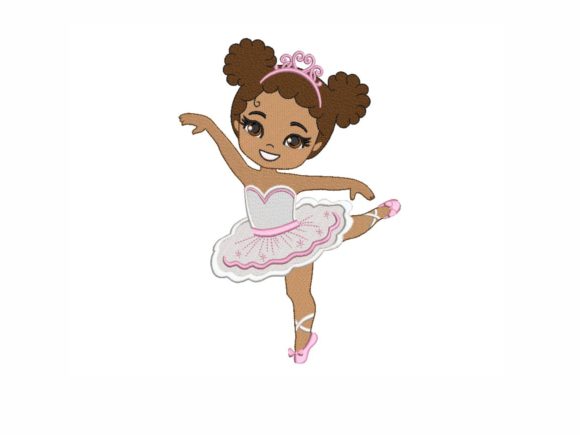
The immediate charm of the Ballerina design lies in its delicate aesthetic. It captures the grace of dance with a simplicity that feels modern yet timeless. For those of us creating handmade products, visual mood is everything. This design does not scream for attention; rather, it invites a closer look. The lines are clean, suggesting a thoughtful balance between satin stitch outlines and minimal fill stitch areas. This is crucial because overly dense designs can pucker lightweight fabrics, while too little coverage can look amateurish on heavier materials.
From a decorative standpoint, the silhouette fits naturally into the Dance category but remains versatile enough for general nursery decor or feminine apparel. It avoids the cluttered look of some older digital files, offering a streamlined profile that translates well across various hoop sizes. Whether you are aiming for a subtle accent on a cuff or a central feature on a tote bag, the proportion seems adaptable.
Practical Applications for Commercial Projects
When considering a new embroidery file, I always ask: where does this actually sell? The Ballerina design is particularly strong for specific niches. Here is how I envision using it in a small business context:
- Custom Apparel: This design shines on children’s clothing. A small placement on the chest of a onesie or the sleeve of a toddler’s sweatshirt creates an instant personalized gift appeal. It is also suitable for adult sweatshirt embroidery, placed off-center for a boutique look.
- Tote Bag Design: Canvas totes are a staple for craft fairs. The clear lines of the ballerina stand out well against natural cotton canvas, especially when using contrasting thread colors.
- Nursery Decor: Beyond clothing, this motif works beautifully on pillow covers or wall hangings. It adds a soft, artistic touch to a child’s room without being overly cartoonish.
- Embroidered Patch: If you create iron-on or sew-on patches, this design’s contained shape makes it an excellent candidate for cutting out and applying to denim jackets or backpacks.
For Etsy sellers and creative entrepreneurs, having a versatile asset like this allows for product line expansion. You can use the same digital embroidery file to create aprons, kitchen towels, and caps, maximizing the return on your download investment.
Technical Considerations and Stitching Performance
While the visual preview is promising, the true test of any Creative Fabrica embroidery product is how it runs on the machine. Since the product description notes that this little ballerina brings fabric to life, we must consider the technical execution. Without specific stitch count data provided in the brief, I advise checking the detailed product page for exact metrics. However, based on the visual complexity, here are practical notes for successful stitching.
Fabric and Stabilizer Selection
The success of this design will heavily depend on your choice of stabilizer. Because ballet-themed items often involve soft, flowy fabrics or stretchy knits, using a cut-away stabilizer is recommended for garments that will undergo frequent washing. For woven fabrics like linen or cotton twill used in tote bags, a tear-away may suffice, but always test on scrap fabric first. If you are stitching on dark fabric, ensure your thread colors have enough contrast. A pastel pink thread on navy blue might get lost, whereas white or metallic gold could make the Ballerina pop.
Hoop Size and Placement
One of the advantages of simpler silhouettes is their flexibility with hoop size. This design likely fits comfortably in standard 4x4 or 5x7 hoops, making it accessible for most home embroidery machines. However, if you plan to use it on curved surfaces like caps, be mindful of the distortion. A smaller version of the design will hold its shape better on a structured cap than a large, sprawling one. Always confirm the maximum dimensions in the file details before committing to a large project.
Stitch Density and Texture
Dense stitch areas can cause puckering, especially on lightweight materials. If the Ballerina design utilizes heavy satin stitching for the tutu or hair, consider using a lighter weight thread, such as 60-weight polyester, to reduce bulk. Inspect small details after stitching a test run. If the tiny features of the face or limbs appear merged, you may need to adjust your tension or choose a fabric with a tighter weave. For textured fabrics like terry cloth towels, a water-soluble topping can help the needle penetrate cleanly without sinking into the pile.
Enhancing Product Value and Brand Consistency
In the competitive world of handmade goods, presentation is key. Using high-quality design assets like this ballerina motif can significantly boost buyer trust. Customers associate clean, crisp embroidery with professionalism. When you list a finished product featuring this design, ensure your product photography highlights the stitch quality. Close-up shots of the satin edges and smooth fills can justify a higher price point.
Furthermore, consistency in your brand aesthetic matters. If your shop focuses on elegant, understated gifts, the Ballerina aligns perfectly. It avoids the chaotic look of overly complex designs, allowing your craftsmanship to take center stage. This simplicity also makes it easier to create printable mockup images for your online store, as the design integrates seamlessly into lifestyle photos without overwhelming the scene.
Final Verdict for Embroidery Entrepreneurs
Is the Ballerina design worth downloading? For designers focusing on children’s wear, nursery items, or delicate apparel, yes. It offers a blend of charm and technical manageability that suits both beginners and experienced stitchers. However, always verify the license terms on the Creative Fabrica product page. Ensure that the commercial embroidery rights cover your intended sales volume and product types.
Before launching a full production run, stitch out a sample on your primary fabric type. Check the thread colors against your existing inventory to minimize waste. If the design performs well in your test—maintaining its shape and detail—it can become a reliable staple in your custom apparel offerings. Remember, the best designs are those that not only look good on screen but also withstand the rigors of real-life use and washing. With proper preparation and attention to detail, this ballerina motif can indeed bring your next creative project to life.