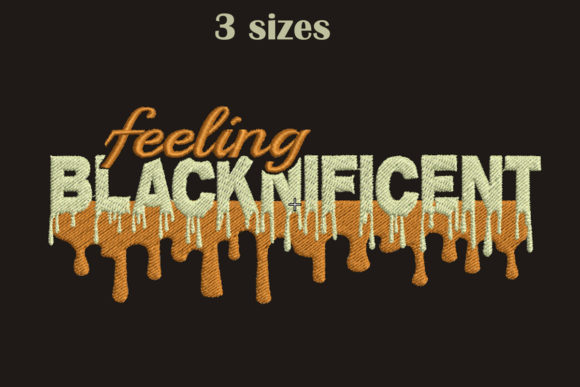
Blacknificent Feeling: A Designer’s Review
As an experienced embroidery designer who has spent countless hours behind the hoop and even more time standing behind a booth at weekend craft fairs, I know that not every design translates into sales. Some designs are technically perfect but lack soul. Others are charming but impossible to stitch efficiently. Today, I am reviewing Blacknificent Feeling, a machine embroidery design rooted in the vibrant spirit of Africa, to see if it holds up under the scrutiny of real-world production and retail.
The premise is simple yet powerful: feel blacknificent and show off your pride with this cool and unique embroidery design. But does it work on the diverse range of items we sell? Let’s break it down from the perspective of a maker who needs to move inventory, not just create art.
First Impressions and Visual Impact
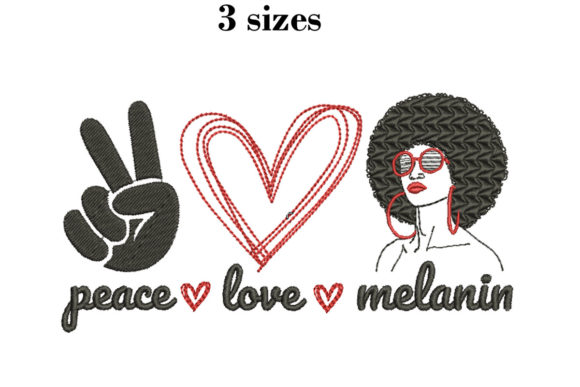
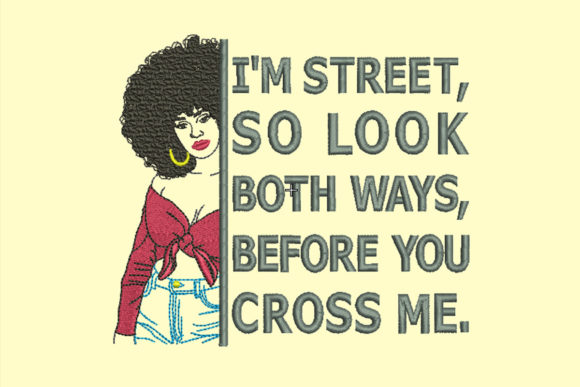
When I first loaded the file to inspect it, the immediate impression was one of bold confidence. This is not a shy, farmhouse-style floral or a minimalistic line-art piece. Blacknificent Feeling commands attention. It feels modern, celebratory, and deeply personal. For craft fair sellers, this is crucial. In a sea of generic "Live Laugh Love" signs and basic monograms, a design that speaks to identity and pride stops people in their tracks.
The aesthetic leans towards premium and expressive. It is not rustic or soft; it is assertive. This makes it an excellent candidate for customers looking for meaningful handmade products rather than just decorative clutter. The visual appeal is high because it tells a story instantly. At a glance, a passerby understands the message. This clarity is vital for booth display strength, where you have only seconds to capture buyer engagement.
Product Versatility and Market Fit
The description suggests this design will look fantastic on hoodies, jackets, t-shirts, caps, and many other items. From a production standpoint, I agree, but I would expand the list based on what actually sells in small shop environments.
- Tote Bag Design: A heavy canvas tote with this design centered is a top-tier craft fair product. It is practical, visible, and serves as a walking billboard for the wearer’s pride.
- Apron Embroidery: While possible, aprons often get stained and washed heavily. Ensure the stitch density is robust enough to withstand industrial washing if you are targeting professional chefs or serious home cooks.
- Tea Towel Embroidery: This is tricky. Tea towels have a loose weave. If the design has large open spaces or very fine details, it may pucker. I recommend using a cut-away stabilizer and testing extensively on textured towels before committing to batch production.
- Embroidered Patch: This might be the strongest application. Patches allow customers to apply the design to existing garments. It reduces your sizing risk and appeals to the DIY crowd.
- Caps and Beanies: Curved cap surfaces are unforgiving. If the design is wide, it may distort. Check the width against your standard cap hoop. If it is too wide, consider splitting it or resizing carefully.
For Etsy sellers and digital sellers, this design offers great potential for printable mockup listings. The bold nature of the artwork photographs well, creating high-contrast images that stand out in search results. Whether you are selling the digital embroidery file or the finished product, the visual assets generated from this design will be strong.
Production Practicalities for Makers
Before you launch this as a commercial embroidery staple, there are technical considerations. As a designer, I always advise checking the specific details of the embroidery file since they were not explicitly provided in the brief. You must verify the stitch count, file format compatibility, and recommended hoop size.
Stitch Density and Fabric Texture: Bold designs often carry heavier stitch density to ensure coverage. On thick fabric like denim jackets or hoodies, this is ideal. However, on lighter t-shirts, you must use a proper stabilizer to prevent puckering. Always test on scrap fabric first. Do not assume the tension settings you use for cotton will work for polyester blends.
Thread Colors and Contrast: The success of Blacknificent Feeling relies heavily on thread choice. Since the theme is about pride and African heritage, consider using vibrant, saturated thread colors. However, be mindful of dark fabric. If stitching on black hoodies, ensure the design includes light or metallic threads to maintain visibility. Low contrast leads to lost sales because the customer cannot appreciate the detail from a distance.
Small Lettering and Details: If the design includes text, zoom in to 400% on your screen. Are the letters legible? Tiny details can merge together during stitching, especially on textured materials. If the lettering is too small, it may become unreadable when scaled down for smaller items like pouches or baby onesies.
Strategic Selling Advice
For boutique makers and creative entrepreneurs, consistency is key. Does Blacknificent Feeling fit your brand? If your shop focuses on subtle, neutral tones, this might clash. But if your brand celebrates diversity, boldness, and cultural pride, this design is a perfect fit. It enhances brand consistency by reinforcing a message of empowerment.
When preparing your booth samples, do not just place this design on one item. Show variety. Display it on a structured cap, a slouchy tote, and a framed hoop art piece. This shows customers the versatility of the design assets and helps them visualize it in their own lives. Remember, you are selling the feeling of pride as much as the thread on the fabric.
Finally, always confirm commercial licensing before selling finished products. If you purchased this as a digital embroidery file, check if the license allows for unlimited physical sales. Most designers offer different tiers for personal versus commercial use. Protect your business by ensuring you have the right to monetize your labor and materials.
Final Verdict
Blacknificent Feeling is a strong contender for any embroidery business looking to expand its catalog with meaningful, eye-catching designs. It performs best on sturdy, high-visibility items like totes, jackets, and patches. With careful attention to stabilizer choice, thread contrast, and hoop sizing, it can become a bestseller in your small shop product line. It is not just a pattern; it is a statement. And in the crowded marketplace of handmade goods, statements sell.