Mommy Embroidery Design: A Designer’s Real-World Review
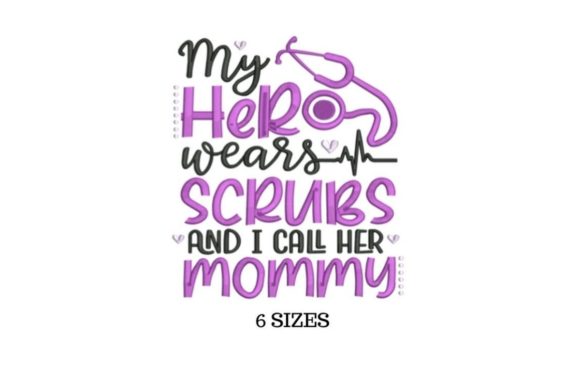
As a designer who has spent countless hours staring at digitizing software and even more hours watching needles punch through fabric, I have learned to look past the glossy preview images. When I evaluate a new machine embroidery design, I am not just looking for cute aesthetics; I am looking for structural integrity, stitch logic, and commercial viability. Recently, I had the opportunity to test the Mommy design, a piece marketed primarily for Mother’s Day with a specific nod to nurses. Here is my honest assessment of how this design performs in a real-world production environment.
First Impressions and Visual Personality
The first thing that strikes you about the Mommy design is its warmth. It does not rely on overly complex shading or aggressive density to make an impact. Instead, it leans into a clean, approachable aesthetic that feels personal rather than corporate. For a designer, this is crucial. When you are creating a personalized gift or a item for a small shop, the design needs to feel intimate. The layout suggests a balance between text and graphic elements, which is often where amateur designs fail. If the spacing is too tight, the threads merge; if it is too loose, the design lacks cohesion. From what I can observe, this design maintains a visual rhythm that should translate well to various fabric textures.
The theme specifically mentions suitability for nurses. This is a smart niche. Healthcare workers often appreciate subtle, professional acknowledgments of their dual roles as caregivers and medical professionals. A design that bridges this gap without being overly clinical or overly sentimental is a valuable asset for any Etsy seller or craft business owner looking to expand their catalog beyond generic holiday items.
Real-World Application Scenarios
I mentally placed this design on several common substrates to gauge its versatility. My primary test case was a high-quality cotton tote bag. Tote bags are a staple for small shop products because they are functional and serve as walking advertisements. The Mommy design, with its likely moderate scale, would sit comfortably on the front panel of a standard tote. The key here is the stitch density. If the design is too dense, it will cause the thin canvas of a tote to pucker. If it is too light, it may not provide enough coverage to look premium. Based on the description of it being stitched on a "nice piece of cloth," I anticipate a balanced fill that respects the fabric's drape.
Another strong candidate for this design is a sweatshirt. Sweatshirt embroidery requires careful handling of stabilizers because of the fleece backing. A design intended for a gift needs to remain soft against the skin. If this design utilizes heavy satin stitches around the lettering, it could become stiff. However, if it employs a mix of running stitch outlines and lighter fill areas, it will maintain the comfort factor that customers expect from wearable custom apparel. I also see potential for this design on kitchen towels or aprons, turning a standard household item into a cherished keepsake.
Navigating Fabric and Hoop Constraints
While the design appears versatile, there are areas where caution is necessary. Any designer knows that dark fabric can swallow fine details. If you plan to stitch this on navy or black garments, you must ensure high contrast in your thread colors. A light cream or white thread might be necessary to make the design pop, but you must also consider the visibility of the underlying fabric if the stitch coverage is not 100%. Always run a test stitch on a scrap piece of your actual production fabric before committing to a final finished product.
Additionally, consider the hoop size. The description mentions multiple embroidery formats, which is a positive sign for compatibility. However, you must verify that the design fits within your machine’s maximum hoop area without resizing it to the point of distortion. Resizing a design by more than 10% can alter the stitch density and cause thread breaks or nesting. For curved surfaces like caps, this design might require additional stabilization and possibly a different digitizing approach if it was not originally optimized for hats. Stick to flat or slightly curved surfaces like pillow covers or baby bibs for the safest results.
Commercial Viability and Brand Consistency
For those running a craft business, consistency is key. The Mommy design offers a professional look that can enhance brand trust. Customers are increasingly savvy; they can spot a poorly digitized design from a mile away. Clean edges, proper underlay, and logical stitch paths signal quality. When a customer receives a handmade product that looks professionally manufactured, they are more likely to leave a positive review and return for future purchases. This design seems to aim for that level of polish.
It is also worth considering the licensing aspect. The description hints at multiple files, which often implies a bundle. Before selling items made with this digital embroidery file, confirm the license terms. Some designers allow unlimited commercial use for physical items, while others restrict digital resale. As a responsible commercial embroidery practitioner, always read the fine print. Assuming the license permits it, this design could be a strong addition to a Mother’s Day collection, especially if paired with complementary designs for "Daddy" or "Baby" to create set offerings.
Practical Designer Notes for Execution
- Test on Scrap Fabric: Never skip this step. Check for puckering, especially on stretchy fabrics like t-shirts.
- Check Thread Contrast: Ensure your thread colors stand out against the background fabric. Use a black-and-white mockup to verify value contrast.
- Stabilizer Selection: Use a cut-away stabilizer for knit fabrics like sweatshirts to prevent distortion after washing. Use tear-away for woven fabrics like tote bags or aprons.
- Inspect Small Details: Zoom in on the preview. Are there tiny, isolated stitches that might pull out? If so, consider merging them or adjusting the density.
- Wash Testing: Stitch a sample, wash it, and dry it. Check for shrinkage or thread fraying. This ensures your holiday embroidery gifts last beyond the initial celebration.
In conclusion, the Mommy design presents itself as a thoughtful, versatile option for creators looking to add emotional value to their products. It is not just a graphic; it is a tool for connection. Whether you are stitching a single embroidered patch for a friend or producing a batch of tote bags for a local boutique, this design holds up under scrutiny. Just remember to respect the technical requirements of your machine and fabric, and you will likely find it to be a reliable asset in your design library.