Otomi: A Vibrant Review for Craft Fair Success
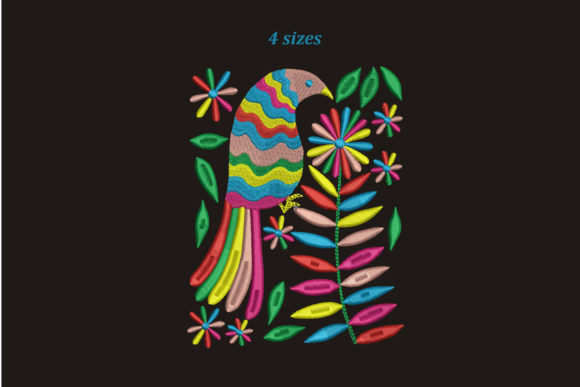
As an embroidery designer who has spent countless weekends behind a booth table, I know that the difference between a browser and a buyer often comes down to visual impact. When I first loaded the Otomi machine embroidery design into my software, my immediate reaction was one of excitement. This is not a subtle, whisper-quiet pattern; it is a bold declaration of culture and color. For those of us selling handmade products, finding a design that stops traffic is half the battle, and Otomi delivers on that front with its lively aesthetic rooted in Mexican folk art traditions.
First Impressions: Bold, Cultural, and Eye-Catching
The Otomi style is instantly recognizable. It features intricate motifs of flora and fauna, rendered in high-contrast thread colors that pop against almost any background. In a crowded craft fair environment, where customers are scanning dozens of tables, this design acts as a visual anchor. It feels festive, decorative, and deeply traditional yet modern enough to appeal to contemporary buyers looking for unique home decor or wearable art. Unlike minimal designs that might get lost from ten feet away, Otomi demands attention. It suggests a premium, handmade quality that justifies a higher price point because the complexity implies skill and time.
Product Versatility: Where Otomi Shines
One of the strongest assets of this digital embroidery file is its versatility across various substrates. As I planned my hypothetical booth display, I evaluated where this design would perform best.
- Tote Bags and Market Bags: This is perhaps the strongest application. A large-scale Otomi motif centered on a canvas tote creates an instant statement piece. The sturdy fabric supports the stitch density well, and the design transforms a basic utility item into a fashion accessory.
- Aprons and Tea Towels: For kitchen-themed buyers, embroidering Otomi on linen aprons or cotton tea towels adds a splash of joy. However, care must be taken with towel loops and thickness. The design looks stunning on flat surfaces, turning everyday items into giftable handmade products.
- Embroidered Patches: Creating iron-on or sew-on patches allows customers to customize their own jackets or jeans. Otomi works beautifully here as a focal point, provided the hoop size accommodates the detail without crowding the edges.
- Pillow Covers: Home decor shoppers love texture. Stitching this design onto neutral pillow covers creates a luxurious, artisanal look that elevates a living room space.
Practical Production Considerations
While the visual appeal is undeniable, producing Otomi as a small shop product requires careful planning. The description notes that the design comes with multiple embroidery file formats, which is essential for compatibility with various machines. However, as a professional, I advise checking the specific stitch count and recommended hoop size before committing to a large batch.
Stitch Density and Fabric Texture
Otomi designs are typically dense to achieve that rich, saturated look. This means you must pair it with the right stabilizer. For woven fabrics like cotton or linen, a cut-away stabilizer is often necessary to prevent puckering, especially if you are creating a finished product that will be washed frequently. On textured towels, ensure your needle is sharp enough to penetrate the loops without breaking threads.
Thread Colors and Contrast
The beauty of Otomi lies in its vibrant thread colors. To make the design stand out, avoid stitching it on dark fabrics unless you use a bright underlay or choose a high-contrast palette. For an Etsy seller creating printable mockups, testing the design on white, cream, and black fabrics will give you the best range of listing photos. Remember, what looks good on screen must translate to physical reality.
Selling Strategy for the Modern Maker
For boutique makers and creative entrepreneurs, Otomi offers a narrative. It is not just a pattern; it is a connection to Mexico and its rich embroidery heritage. Use this story in your product descriptions. Explain the inspiration, the care taken in digitizing, and the quality of the materials used. This adds perceived value to your commercial embroidery offerings.
When photographing for online listings, focus on the details. Close-up shots of the stitch definition help buyers appreciate the craftsmanship. If you are a digital seller offering this as a design asset, provide clear instructions on scaling and stabilization to reduce customer support queries.
Careful-Use Notes for Best Results
- Test on Scrap Fabric: Always run a test stitch-out on the exact fabric you intend to sell. Check for thread breaks or tension issues.
- Check Hoop Size: Ensure your machine’s hoop can accommodate the full design without resizing, which can distort the intricate details.
- Curved Surfaces: If applying Otomi to caps, use a cap frame and consider a slightly simplified version if the original is too wide, as curvature can distort the image.
- Commercial Licensing: Before selling finished products, confirm the license terms included with the digital embroidery file. Most designers allow physical sales but restrict sharing the file itself.
Final Verdict: A Booth Staple
In the competitive world of handmade markets, Otomi stands out as a reliable bestseller. It bridges the gap between traditional folk art and modern consumer taste. Whether you are stitching it onto a rugged tote bag for a farmer’s market shopper or a delicate pouch for a boutique gift, the design holds its own. It is bold enough to be seen from a distance yet detailed enough to invite closer inspection.
For the embroidery business owner, this design represents efficiency and appeal. It is repeatable for batch production once your stabilization method is perfected, and it photographs beautifully for social media marketing. By focusing on high-quality thread colors and proper fabric preparation, you can turn this single machine embroidery design into a cornerstone of your product line. Embrace the vibrancy, respect the technique, and let Otomi bring a touch of lively beauty to your next craft fair display.