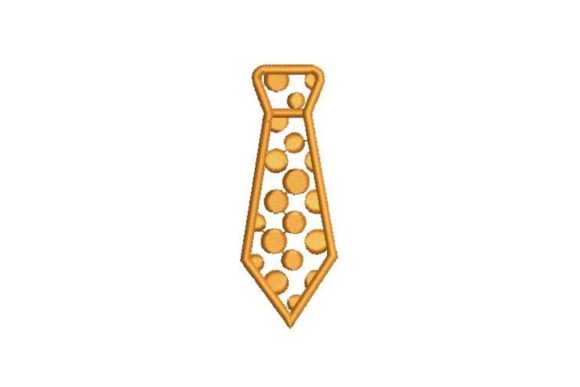
Polkadots: A Fresh Accent for Craft Fair Success
As an embroidery designer who has spent countless weekends behind a booth table, I have learned that the difference between a browsing customer and a buying customer often comes down to visual clarity and emotional connection. When I first loaded the Polkadots machine embroidery design into my software, my immediate impression was one of refreshing simplicity. In a market saturated with overly complex monograms and dense floral arrangements, this design offers a delicate and fresh touch that stands out precisely because it does not try too hard. It feels modern, playful, and universally appealing, making it a strong candidate for any accessories category in a handmade shop.
First Impressions and Visual Appeal
The title Polkadots suggests a classic motif, but the description promises an artistic interpretation. Upon reviewing the digitization, I noticed that the design avoids the rigid, mechanical look of standard geometric patterns. Instead, it carries a hand-drawn quality that aligns perfectly with the current trend toward organic, imperfect aesthetics. For a craft fair product, this is crucial. Customers at handmade markets are looking for warmth and personality. This design delivers that by adding a whimsical yet elegant layer to any garment or home good.
What makes Polkadots particularly effective is its versatility. It does not scream for attention with neon brightness or aggressive sizing. Instead, it invites closer inspection. This subtle engagement is powerful for booth displays. When a potential buyer walks past your table, a bold, cluttered design might overwhelm them, but a clean, artistic pattern like this allows them to imagine the item in their own home or wardrobe. It feels premium without being pretentious, striking a balance that appeals to both young trendy shoppers and those seeking timeless farmhouse charm.
Strategic Product Placement for Maximum Sales
To maximize the return on this digital embroidery file, we must consider where the design shines brightest. Based on my experience selling small shop products, here is how Polkadots performs across various mediums:
- Tote Bag Design: This is arguably the strongest application. A canvas tote provides a large, flat surface that allows the artistic nature of the dots to breathe. Placing the design off-center or as a repeating border creates a high-end boutique feel. It transforms a basic utility item into a fashionable accessory.
- Apron Embroidery: For kitchen-focused crafters, this design adds a playful touch to bib aprons. The fresh aesthetic complements linen and cotton blends beautifully, making it an ideal gift for housewarmings or bridal showers.
- Tea Towel Embroidery: Because the design is described as delicate, it works well on textured fabrics like waffle weave or flour sack towels. However, care must be taken with stitch density to ensure the towel remains absorbent and soft.
- Embroidered Patch: If you offer custom patches, Polkadots can be stitched onto twill backing. These sell well as impulse buys at fairs, allowing customers to add a pop of personality to denim jackets or backpacks later.
- Caps and Headwear: While possible, curved surfaces require careful hooping. The design should be scaled down to fit the front panel without distorting the artistic spacing of the dots.
Production Practicalities and Batch Efficiency
For Etsy sellers and commercial embroidery businesses, time is money. One of the key advantages of Polkadots is its potential for batch production. The design appears straightforward enough to run reliably on multi-needle machines without excessive thread breaks or trimming issues. However, before committing to a large run of finished products, you must verify the specific technical details provided in the download package.
Since the product description notes that this machine embroidery design comes with multiple embroidery file formats, you have the flexibility to choose the optimal size for your hoop. Always check the recommended hoop size against your machine’s capabilities. If the design is intended for a 4x4 hoop, do not attempt to scale it up significantly for a 5x7 hoop without checking the stitch count and density, as this can lead to puckering or thread nesting.
Photography is another critical factor. This design photographs exceptionally well for online listings. The contrast between the thread colors and the fabric background creates clear, crisp images that look professional in printable mockup scenarios. For digital sellers offering design assets, creating high-quality mockups of Polkadots on neutral backgrounds will help customers visualize the end result, increasing conversion rates.
Careful-Use Notes and Technical Considerations
While Polkadots is user-friendly, there are technical nuances to consider to ensure a high-quality finished product. As an experienced designer, I advise paying close attention to the following areas:
- Fabric Texture and Stabilizer: On thick fabric or textured towels, ensure you use a cut-away stabilizer if the fabric is stretchy, or a tear-away for stable wovens. The delicate nature of the design means that poor stabilization could cause the dots to look uneven or sink into the pile of the fabric.
- Thread Contrast: Choose thread colors that offer sufficient contrast against your base material. If stitching on dark fabric, consider using a lighter thread color to maintain visibility, or test a underlay stitch to prevent the background color from showing through the dots.
- Stitch Density: Review the stitch density settings in your software. If the dots are too dense, they may become stiff and lose their "fresh" appeal. If they are too sparse, the design may lack definition. A balanced density ensures the design remains soft to the touch, which is vital for wearable accessories.
- Small Details: If the design includes any tiny connecting elements between dots, ensure they are robust enough to survive washing and wearing. Test stitch the design on scrap fabric identical to your final product to check for any loose threads or weak points.
Enhancing Brand Consistency and Buyer Engagement
Incorporating Polkadots into your product line can strengthen your brand identity. If your shop focuses on minimal, modern, or cheerful aesthetics, this design serves as a consistent visual thread across different items. It helps create a cohesive booth display where customers recognize your style immediately. Whether used on a pillow cover, a market bag, or a small pouch, the design communicates a sense of curated quality.
Furthermore, this design encourages buyer engagement. Because it is versatile, customers may ask for custom color combinations or specific placements. This interaction builds a relationship and increases the perceived value of the handmade product. It moves the transaction from a simple purchase to a collaborative creation, which is the heart of successful craft fair selling.
Before listing this as a commercial embroidery product, always confirm the licensing terms included with the digital embroidery file. Ensure you have the rights to sell finished products featuring Polkadots. Once cleared, this design is ready to become a staple in your repertoire, offering a reliable, beautiful, and sellable option for your creative entrepreneurship journey.